MDF_Stack-5400x2700-5c8dfa1.jpg
MDF_Core-8141x5430-93ba2a2.jpg
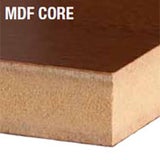
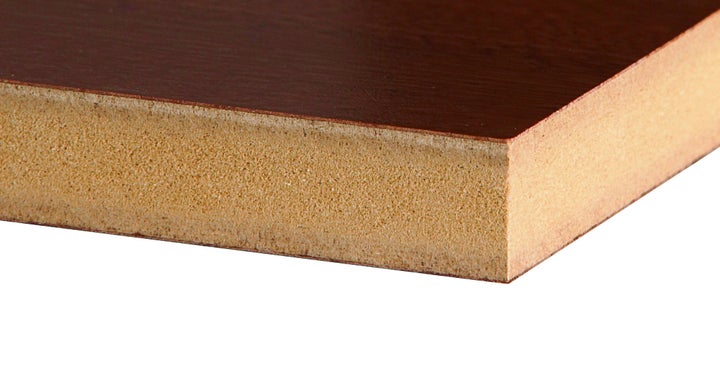
Side Profile of an MDF Core

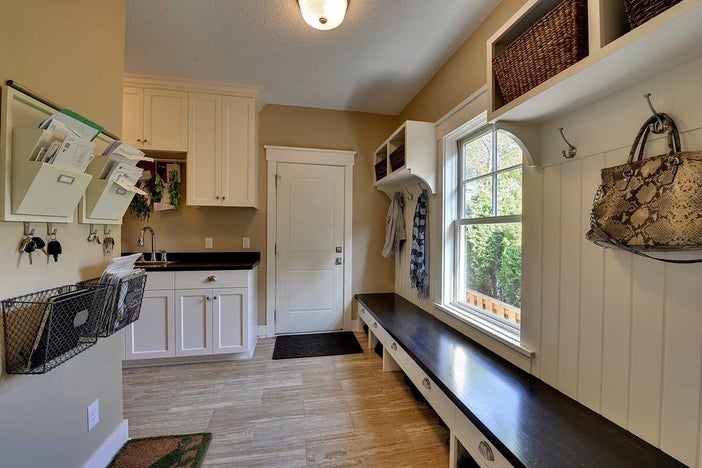
Columbia Forest Products MDF core panels provide a smooth, uniform substrate for decorative veneer faces, painted components, routed details, and thin-panel applications. Engineered for interior use, MDF offers excellent surface consistency, dependable stability, and strong machining performance for cabinetry, furniture, fixtures, molding, and more.

WHAT MAKES MDF SO GREAT?

Image
HIGHER HUMIDITY & TEMPERATURE STABILITY
Image
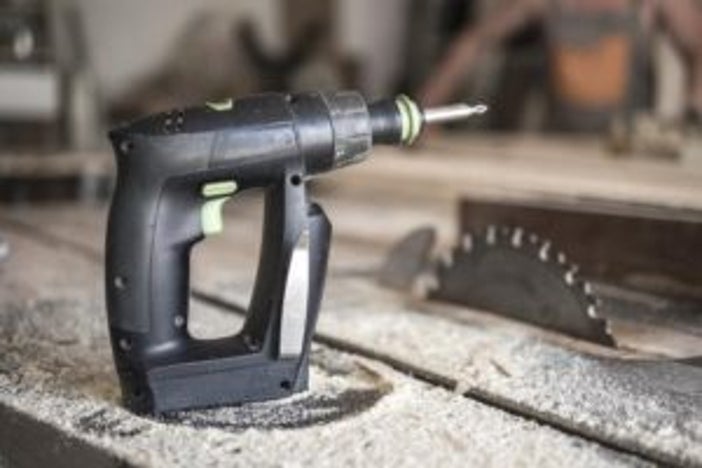
EXCELLENT MACHINABILITY
Image
AVAILABLE AS NAF
Image

A QUALITY CORE OPTION

Medium Density Fiberboard, or MDF, is a highly consistent engineered wood core option available from Columbia Forest Products. MDF is manufactured through a process similar to particleboard, but uses much smaller, more uniform wood fibers, creating a dense and smooth panel structure.

MDF offers excellent stability and is less likely to react to measurable changes in temperature or humidity compared to other core options. Its smooth, void-free surface makes it well suited for decorative veneer faces, painted applications, and projects that require a consistent finish.

Compared with particleboard, MDF provides greater strength and screw-holding performance. A 3/4" MDF panel typically weighs around 100 lbs., making it a substantial, durable choice for interior applications such as cabinets, furniture, fixtures, molding, door inserts, and paneling.

MDF is especially recommended for thin panel applications where smoothness, consistency, and stability are important. MDF can also be specified as NAF — no added formaldehyde — when required.

FEATURES & BENEFITS

  • Excellent Machinability: Designed for intricate cuts, routed profiles, edge details, and precision joinery.
  • Interior Stability: MDF is a dependable option when panels may experience measurable changes in temperature or humidity in interior environments.
  • Strong Core Performance: MDF offers a strong core construction and better screw-holding properties than particleboard.
  • Smooth, Void-Free Surface: MDF provides a uniform, consistent surface that works well beneath decorative veneer faces or painted finishes.

RELATED ARTICLES

ImageLink Icon

MDF vs. Plywood: Comparing Classic Materials

Medium-density fiberboard (MDF) and hardwood plywood are both popular composite panel materials used in construction, furniture and cabinet making, and many other decorative projects. But despite being used for similar applications, these two products are quite different from one another. Both have their uses that can make one a better fit for a project than

ImageLink Icon

MDF Power Tools and Dust: What You Need to Know

Medium Density Fiberboard, or MDF, is a great product for a number of home improvement projects. It’s used for cabinetry, furniture and trim in houses around the world. But while traditional MDF is a wood-based product, it’s not the same as using lumber. This can be advantageous, from both a cost and sustainability perspective, but

ImageLink Icon

The History of MDF: Where It Came From and How It’s Made

Medium-density fiberboard (or MDF) is a type of composite wood panel that woodworkers, builders, DIYers and architects have been using for decades. It’s found in cabinetry, furniture design and decorative trim across the world. But you might not realize that the ancestor of MDF was first “discovered” through a laboratory glitch. A Happy Accident and

WHERE TO BUY

Whether you're a large contractor or a DIY hobbyist, Columbia Forest Products are conveniently available throughout North America. Find your wholesale distributor or Home Depot store here!