
Blog Post
Why Wood Makes Spaces Feel Better
3/19/2026
-1200x960-4134ff9.jpg?w=2000&auto=format%2Ccompress&quality=85)
Why Wood Makes Spaces Feel Better
Have you ever walked into a space that instantly made you feel at home? A place where everything just felt right, even if you couldn’t quite explain why? Chances are wood played a part.
What is Biophilic Design?
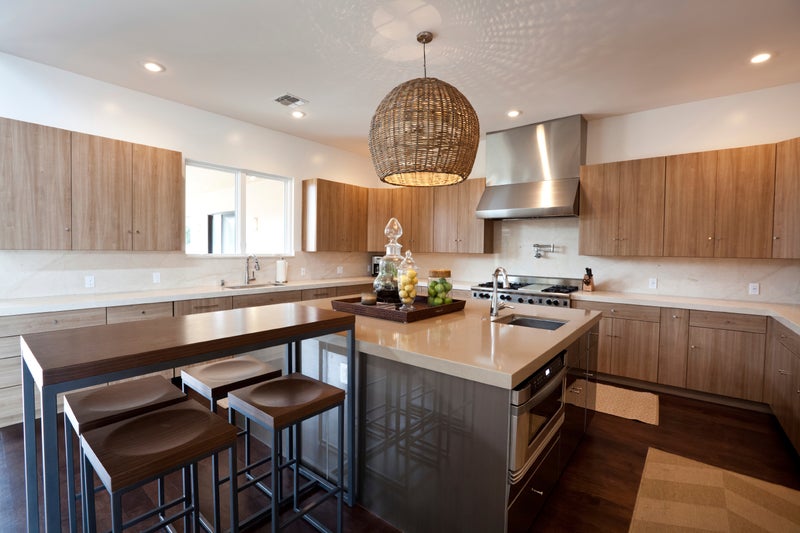
The International Living Future Institute defines biophilic design as “the practice of connecting people and nature within our built environments and communities.” And you don’t need a full-scale moss wall or indoor garden to make that happen. One of the simplest and cheapest ways to bring in biophilic design is with hardwood plywood. The warm, inviting tones, and familiar wood grains are enough to help people feel closer to the natural world.
Architects know this simple truth: people respond to nature. With materials like hardwood plywood, they can bring that connection inside; creating spaces that feel calm, familiar, and worth staying in. This is biophilic design.
Hotel Reset's Biophilic Design
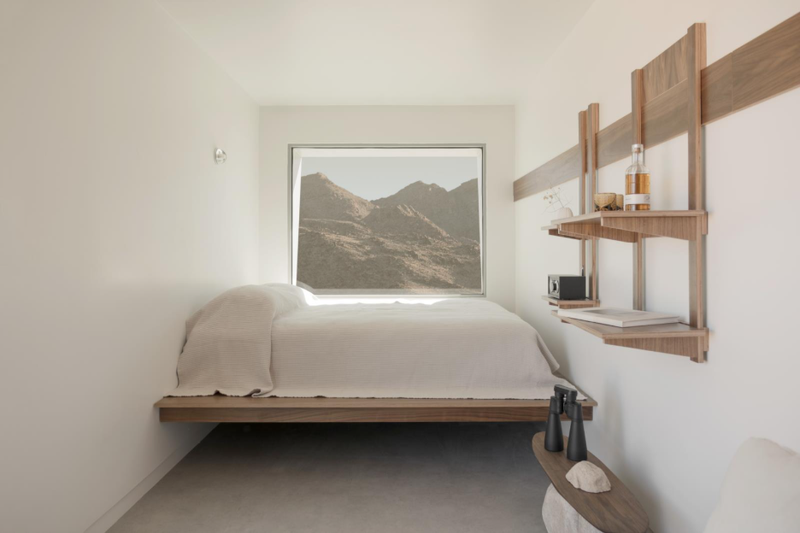
A clear example of biophilic design in action can be seen in Hotel Reset, a shipping container hotel set against the stark landscape of Joshua Tree National Park. Inside the minimalist rooms, the use of Walnut adds warmth and richness that contrasts beautifully with the surrounding desert terrain. Walnut’s deep color and grain reflect the rolling desert outside, making the space feel like a natural extension of the landscape.
Rather than distracting from the outside, walnut grounds the space—inviting guests to slow down, feel connected, and fully experience the natural beauty around them.
Wood doesn’t just change how a space looks; it changes how it feels to spend time there. It softens sound, takes the edge off hard surfaces, and adds a sense of balance that makes rooms feel calmer and more comfortable. Whether it’s a hotel room, an office, or a kitchen at home, wood creates an environment where people naturally want to linger. It’s not something most people consciously notice, but they feel it. That feeling transforms spaces into places people enjoy being.
At its core, wood makes spaces feel better because it makes them feel more human. It quietly connects us to nature, to comfort, and to a sense of place. The often-overlooked power of wood to change how we experience a space is a tool well used by innovators in biophilic and green design.