
Blog Post
Wood Species 101: White Oak
5/29/2024

Wood Species 101: White Oak
The first spotlighted species in Columbia’s Wood Species 101, a series covering the various decorative veneer species available from Columbia Forest Products, is White Oak. This versatile species remains incredibly popular, with much of that interest growing over the past few years.
Summary
White Oak is a versatile, stain-friendly veneer that remains in high demand for cabinetry, furniture, and interior millwork. Its natural color ranges from pinkish to tan/beige, and its appearance varies by cut (plain, quartered, rift) and veneer assembly (book, slip, plank), yielding anything from uniform straight grain to prominent ray fleck. Designers should test samples and plan cuts and matches with large surfaces in mind; recent design-media endorsements have further fueled its resurgence.
Stainability and Finish Options
One of the standout features of this species is its exceptional ability to take stain. Unlike some other wood species, it readily accepts stains and finishes, allowing for customization to achieve desired colors and effects. Whether opting for a natural, clear finish to showcase its inherent beauty or experimenting with darker stains for a more dramatic look, this wood offers endless possibilities for creative expression.
Applications in Cabinetry, Furniture, and Millwork
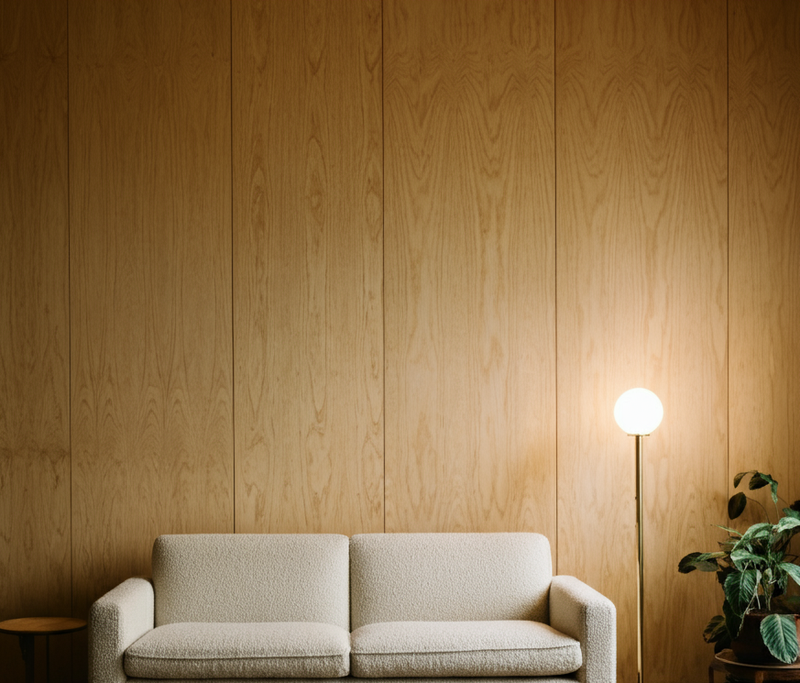
This stain-friendly nature is one reason it shows up so often in cabinetry, furniture, and interior millwork, where matching an overall palette matters. For casework and built-ins, designers often specify white oak plywood and white oak veneer to keep color and grain consistent across large panels. As with any species, the final result depends on the specific veneer, the cut, and the finish system, so testing a sample is a helpful step when consistency is important.
Popularity and Design Influence
The resurgence of the species' popularity can also be attributed to the endorsements it has received from home improvement personalities and design influencers, notably on platforms like HGTV. These tastemakers helped it gain traction among homeowners seeking to elevate their spaces with a beautiful, versatile species.
Natural Color and Tone
This species is known to have a slight pinkish to tan/beige color range. Sometimes, when a pinkish tone is present, it can mimic the appearance of Red Oak. This can be attractive to some designers, since Red Oak is another popular species.
Grain Character and Cutting Methods
In addition to color, many people look to this species for its grain character. Depending on how it's sliced and assembled, you can lean into a more uniform, contemporary look or highlight more visible figuring.
White Oak veneers are offered as:
- Plain Sliced
- Quarter Sliced
- Rift Cut
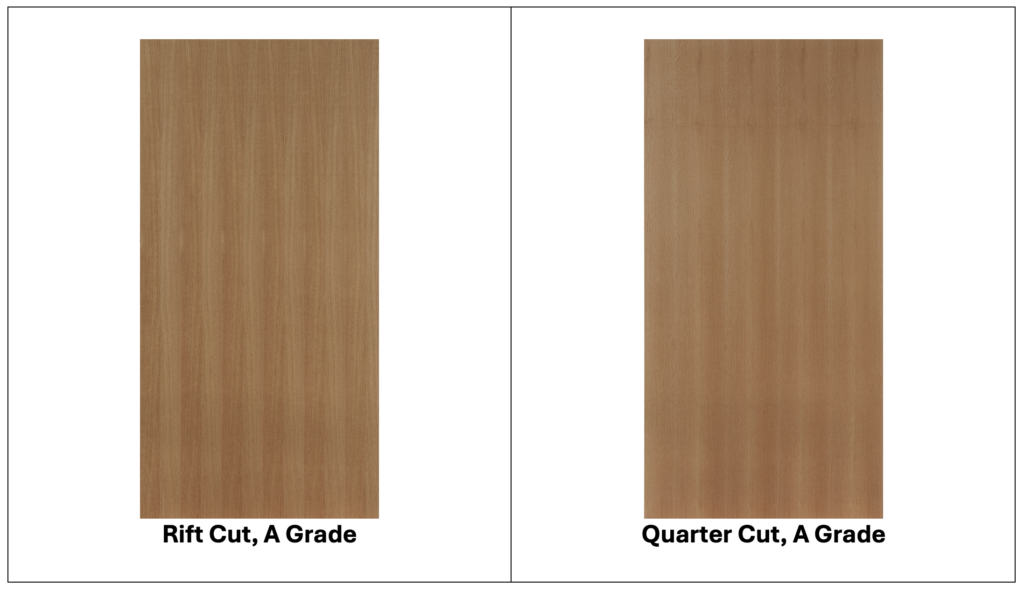
Straight grain white oak is popular due to its contemporary look and can be achieved through rift cutting or quarter cutting.
- Rift Cut — Straight grain appearance with little to no ray fleck
- Quartered Cut — Straight grain appearance that will have medium to heavy ray fleck present
Veneer Assembly Options
With white oak veneer, the assembly of the sheet can be:
- Book Matched
- Slip Matched
- Plank Matched
See examples of these assemblies here.
Design Considerations for Large Surfaces
If you're selecting this species for a project, think about how the cut and match will read across larger surfaces like doors, panels, or built-ins. Small differences in grain and tone can become more noticeable at scale, especially under strong lighting or with a clear finish.
Watch the Overview
Check out our overview here and stay tuned for more updates on Wood Species 101!
Q&A
What makes White Oak such a popular choice for veneer projects?
Short answer: It’s highly versatile and stain-friendly, readily accepting clear or dark finishes to hit a wide range of looks. That flexibility, plus its natural pinkish-to-tan/beige color range and adaptable grain character, keeps it in demand for cabinetry, furniture, and interior millwork. Designers often specify white oak plywood and veneer together to maintain consistent color and grain across large panels.
How do rift-cut and quartered-cut White Oak differ in appearance?
Both cuts deliver a contemporary straight-grain look. Rift-cut shows straight grain with little to no ray fleck, while quartered-cut also shows straight grain but with medium to heavy ray fleck. Choosing between them lets you dial in a cleaner, more uniform look (rift) or a straighter grain that still highlights the species’ signature fleck (quartered).
What role does veneer assembly (book, slip, plank match) play in the final look?
Assembly determines how individual veneer leaves are laid up, which directly affects how uniform or varied the surface appears across doors, panels, and built-ins. Because small differences in grain and tone become more noticeable at scale—especially under strong lighting or a clear finish—selecting the right match is key. You can see example assemblies via the product link provided in the article.
Why is testing samples recommended before committing to White Oak on a project?
The final look depends on the specific veneer, the cut, and the finish system. Sampling helps you confirm color, grain continuity, and stain response—critical when consistency matters across large surfaces like casework, wall panels, or built-ins.
What is White Oak’s natural color range, and can it resemble Red Oak?
Its natural color varies from pinkish to tan/beige. When the pinkish tone is present, it can mimic Red Oak—something some designers find appealing. This, combined with recent endorsements from design media and influencers (e.g., on HGTV), has contributed to White Oak’s continued resurgence.